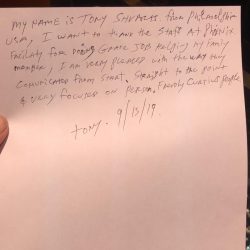
Private treatment for drug, alcohol and gambling addiction, with support for patients and their families.
Confidential consultation
Phoenix treats drug, alcohol, and gambling addiction in Israel, privately. The work covers both sides of the problem: what the substance has done to the body, and what keeps pulling a person back to it.
People arrive here in very different states. Some have been through treatment before. Some are still not sure they need it. Alcohol dependence calls for different work than stimulants, and both call for different work than gambling. So the plan is built around the person in front of us, on their history, their health, and their family, rather than fitted to a fixed program.
Getting through withdrawal is the beginning, not the treatment. The harder part comes after: the habits, the people, the places, and the pressures that made using feel necessary. That is where most of the time at Phoenix goes. Learn More About Drug Addiction Treatment
Alcohol often needs medical supervision first, because stopping suddenly can be dangerous. Once that stage is behind you, the work turns to what the drinking was doing for you, whether that was winding down, blunting anxiety, or getting through the evening, and what can do that job instead. Learn More About Alcohol Addiction Treatment
There is nothing to withdraw from, which is part of what makes gambling so easy to hide. The damage shows up in money, in relationships, and in secrecy long before anyone outside the house notices. Treatment deals with the urge itself, and with the debt, the shame, and the trust that has to be rebuilt around it. Learn More About Gambling Addiction Treatment
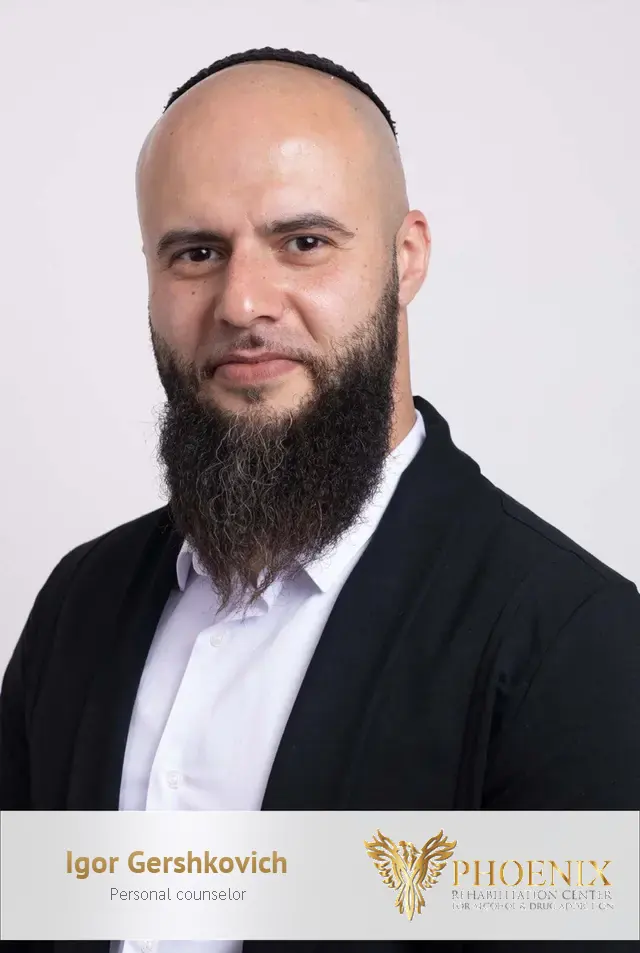
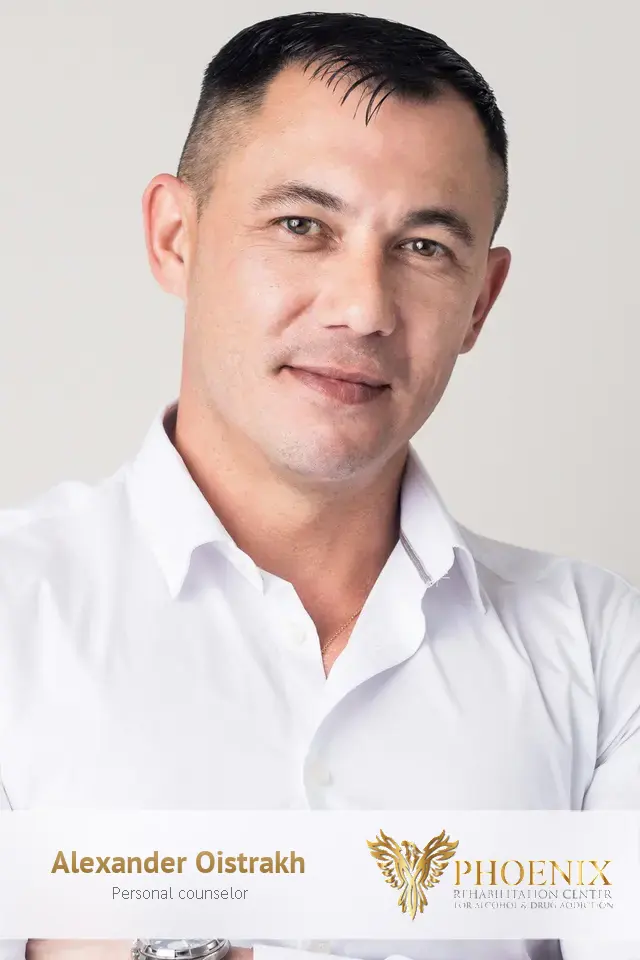
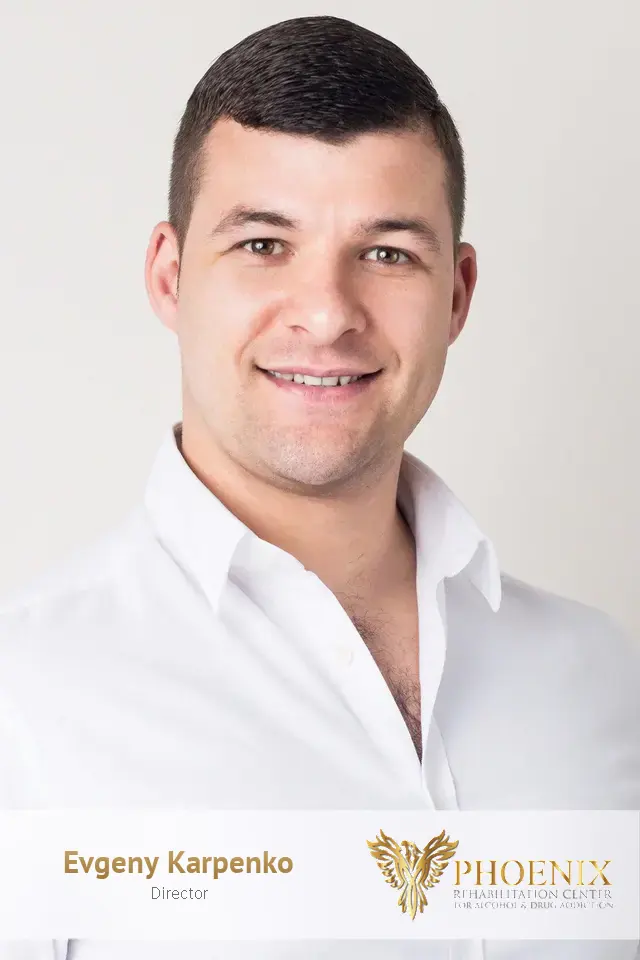
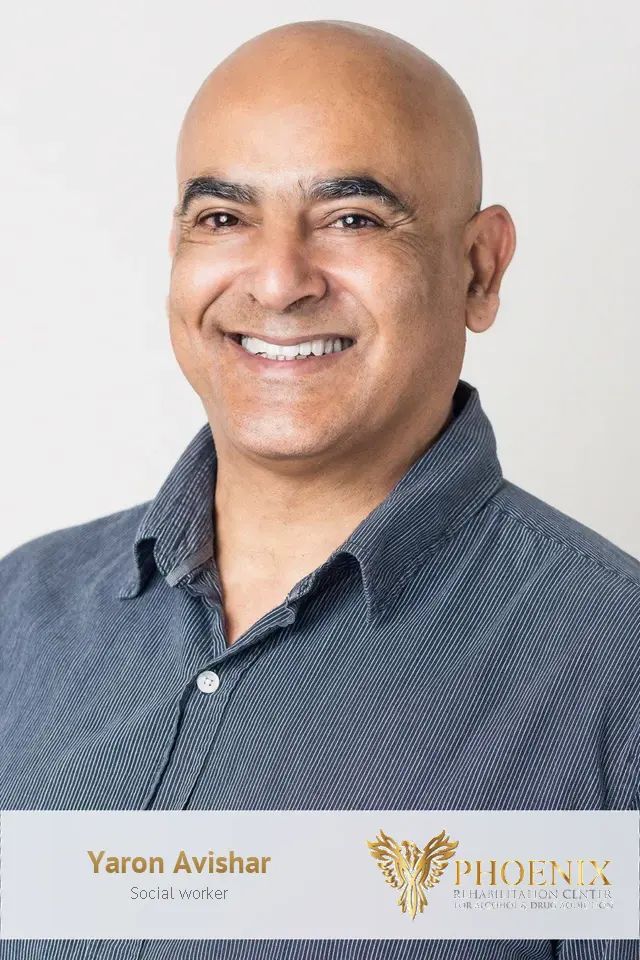
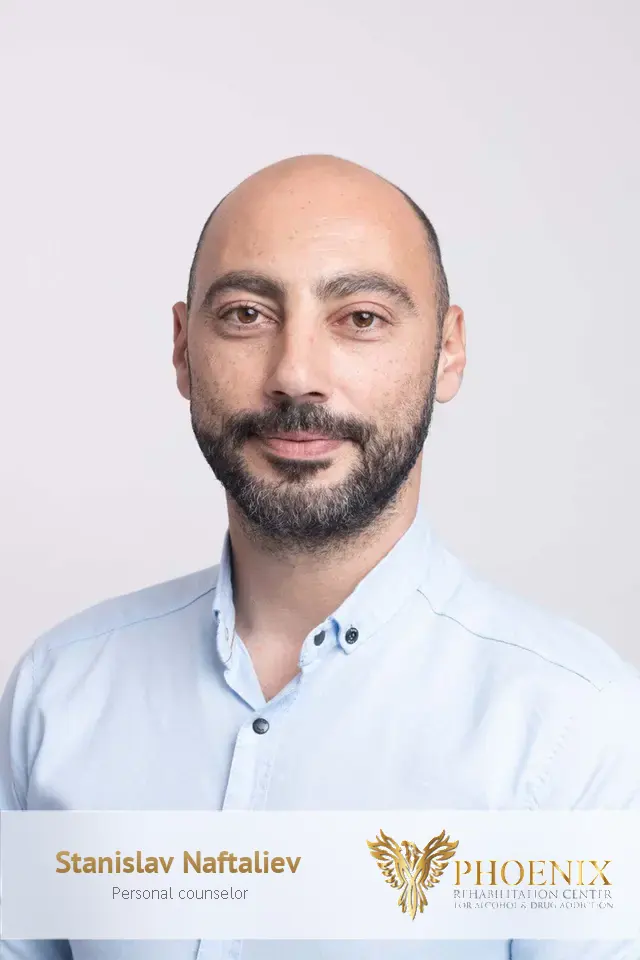
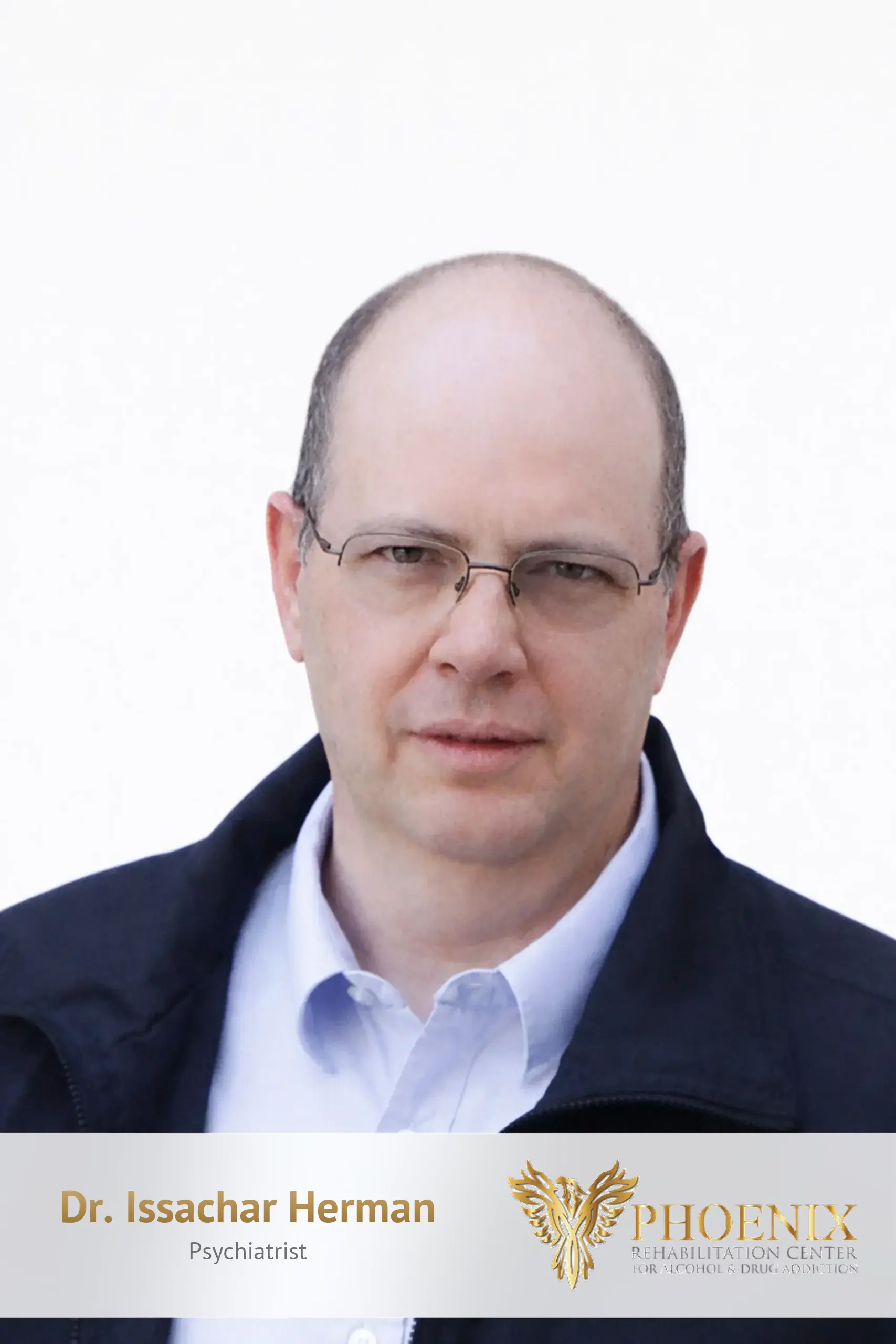
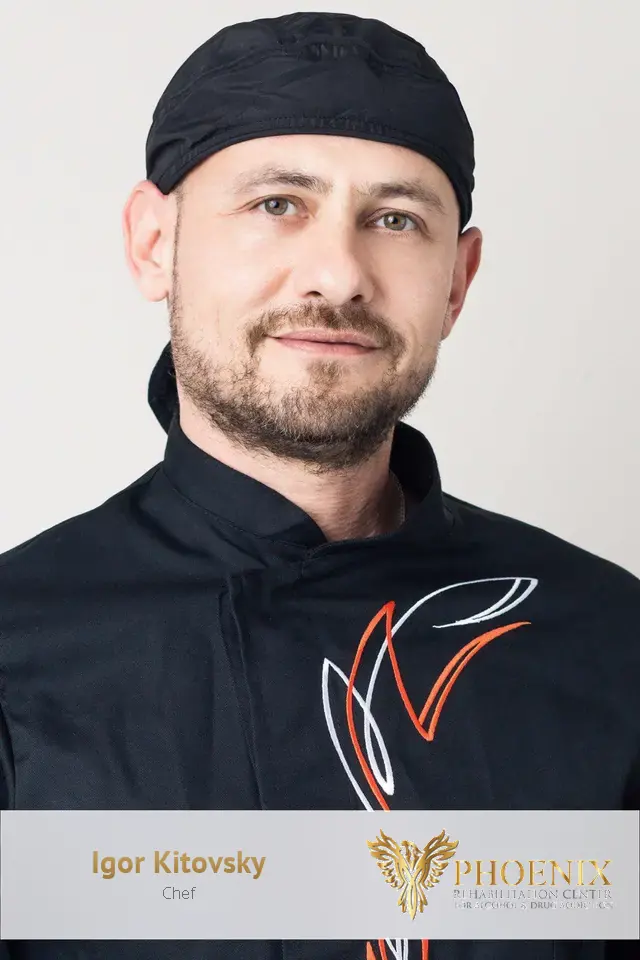
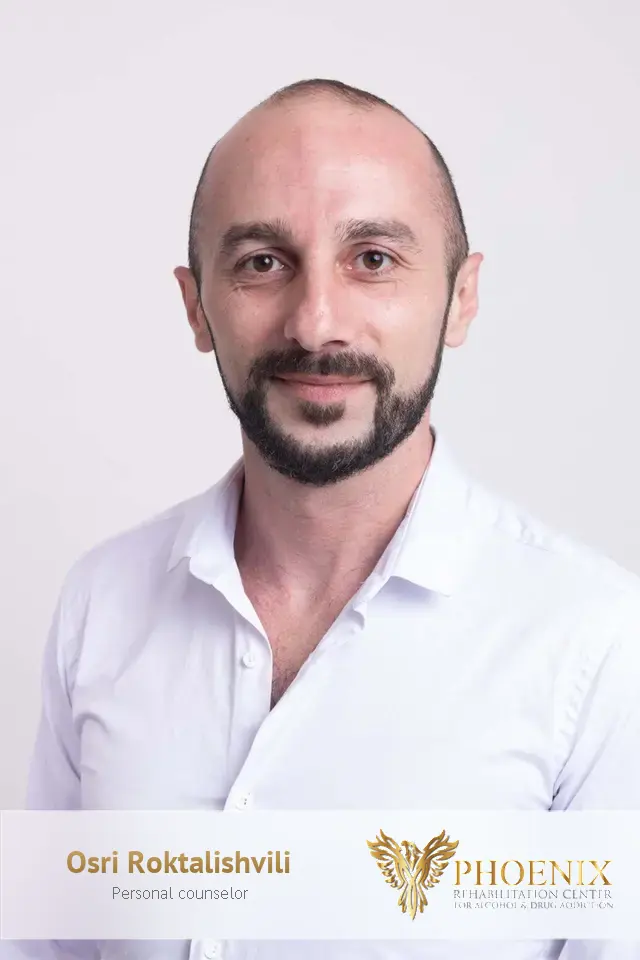
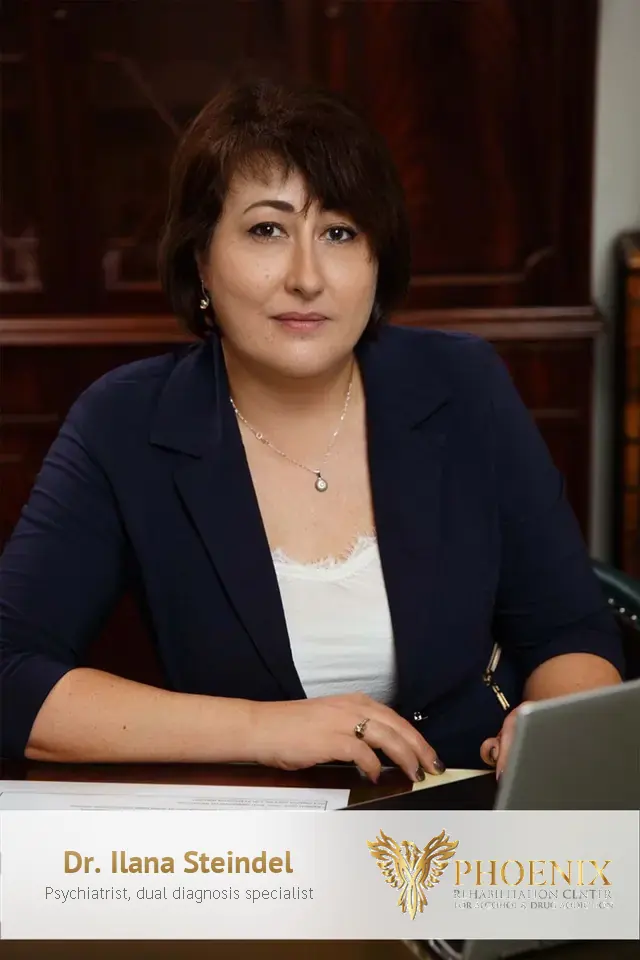
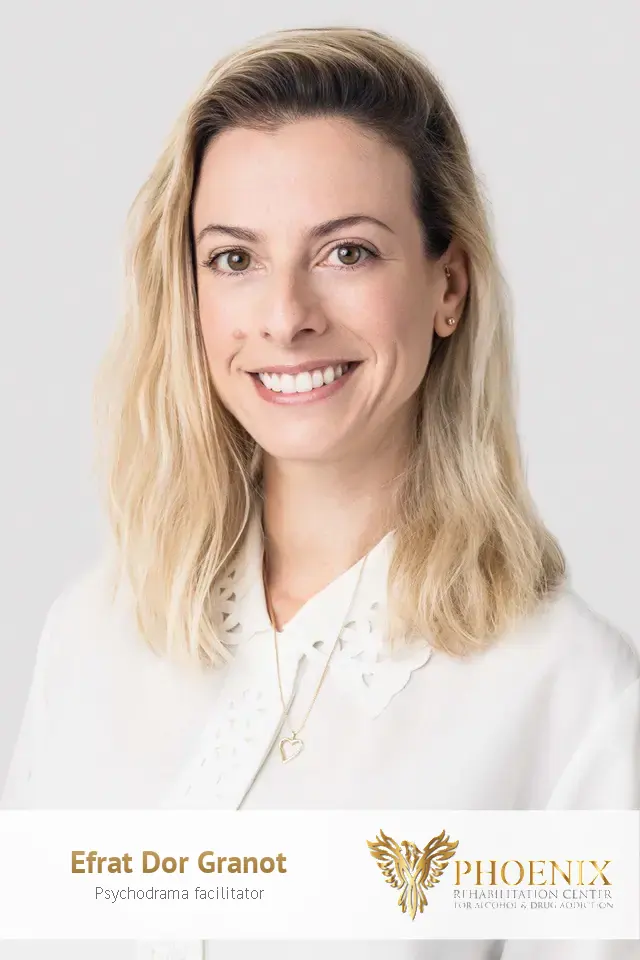
Phoenix is staffed by psychologists, doctors, a psychiatrist, addiction counselors, and nutrition and fitness specialists. They work as one team around each patient, and the plan changes as the patient does, which happens most in the first few weeks.
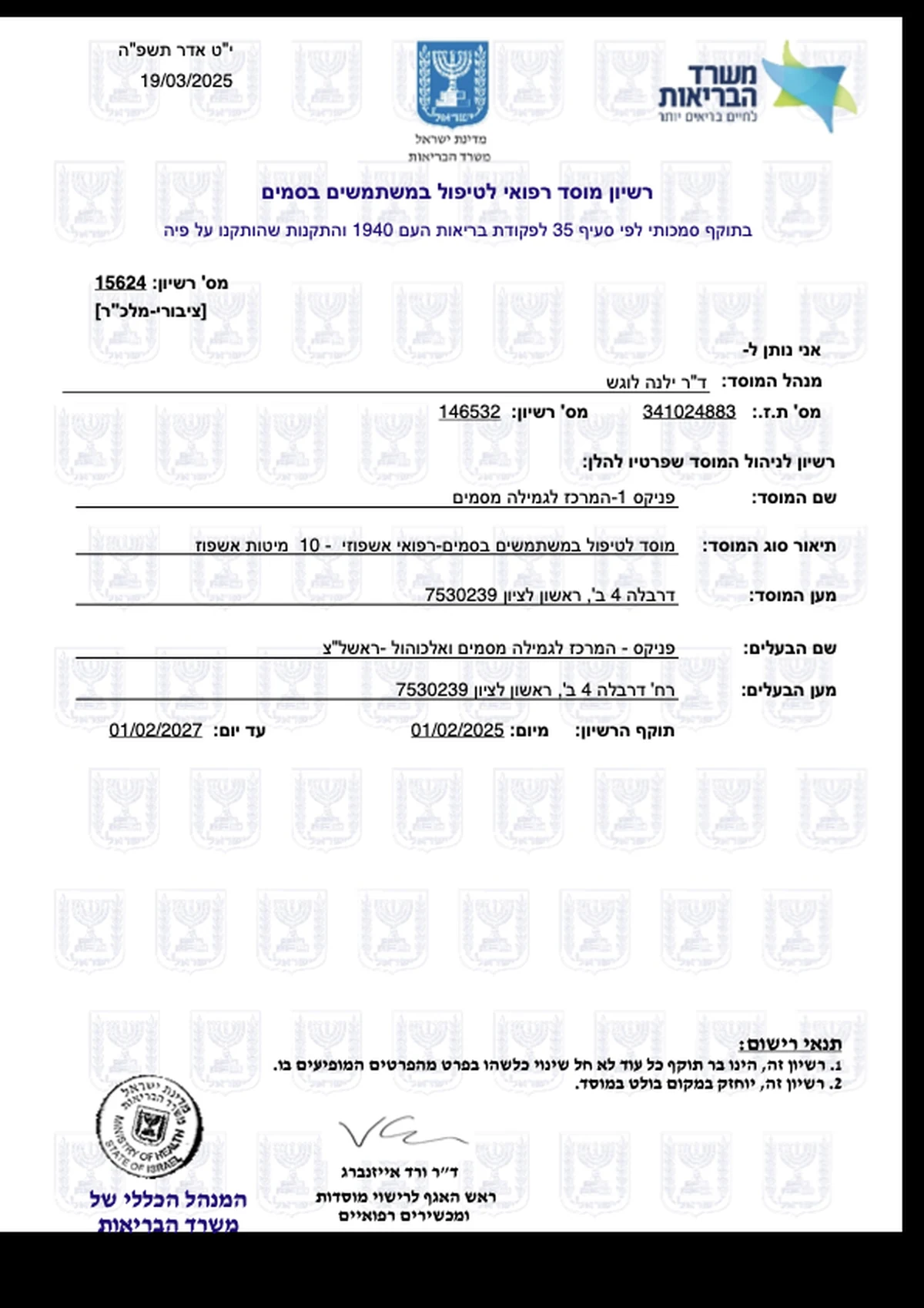
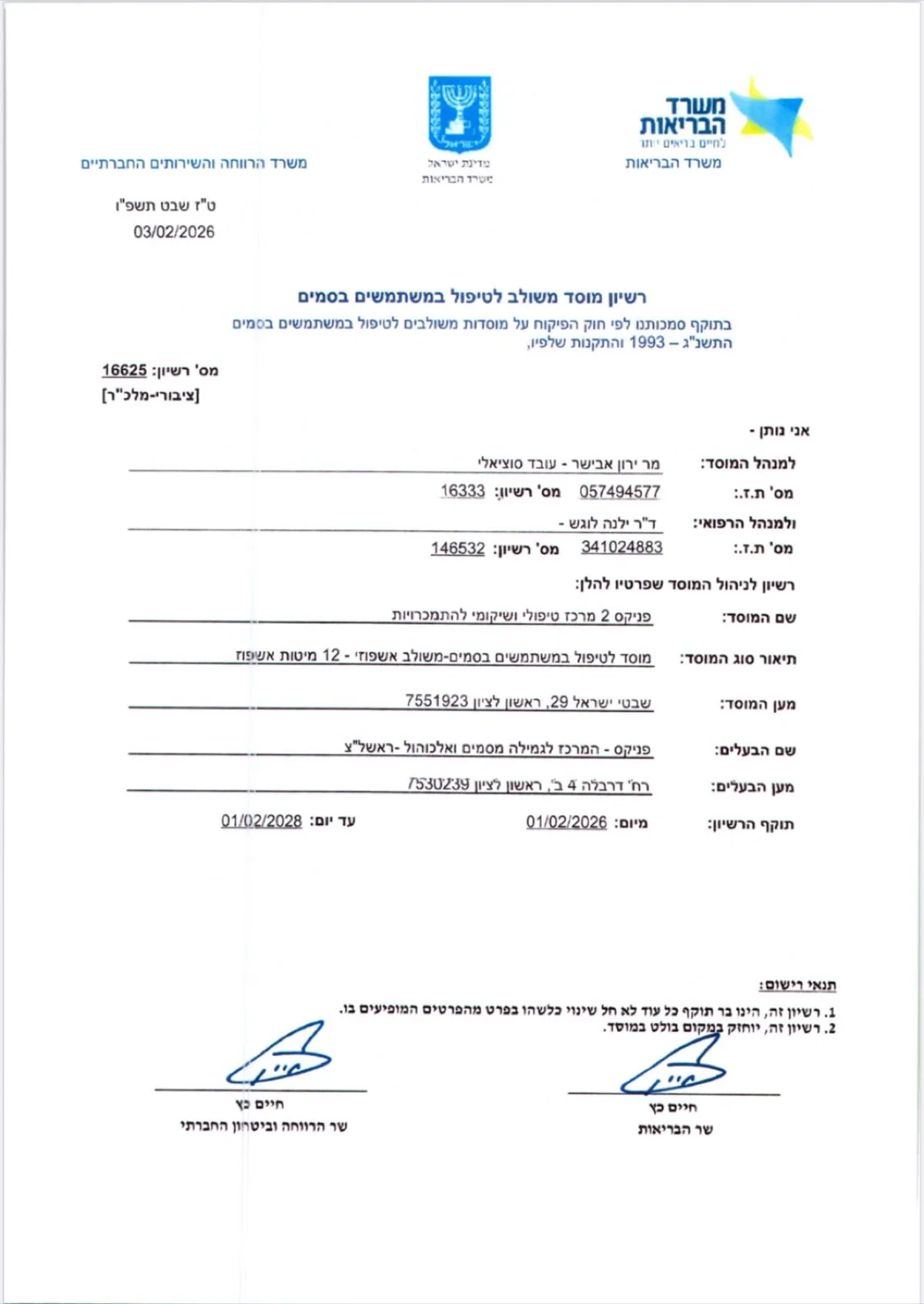
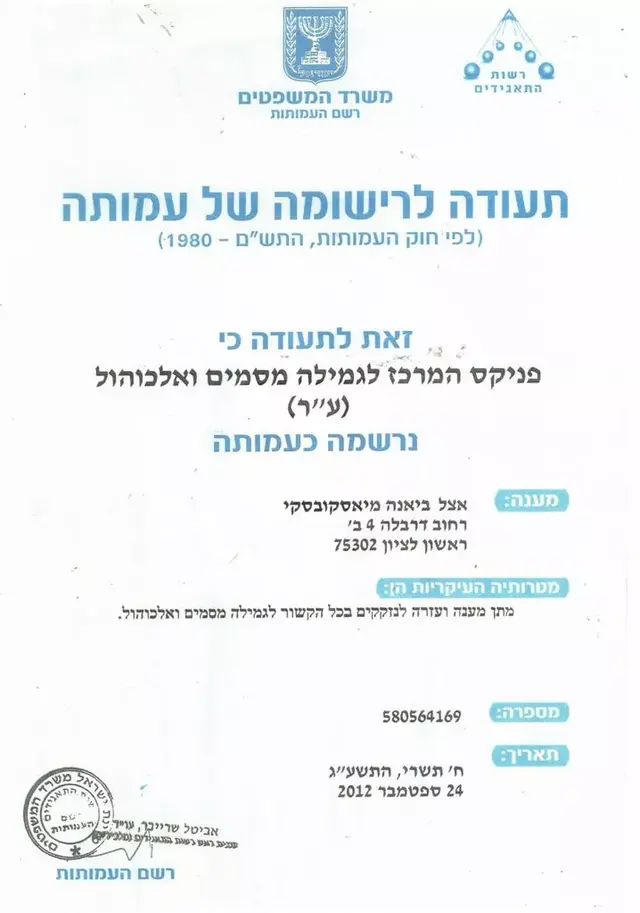
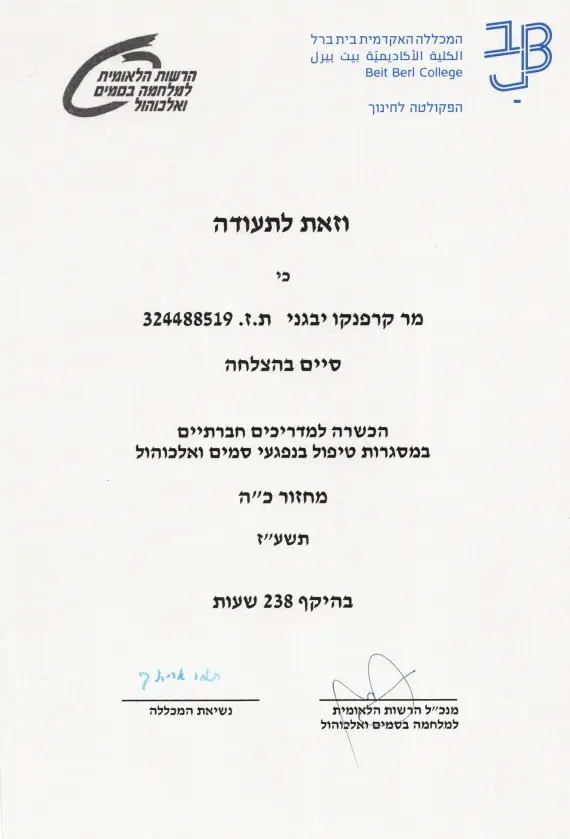
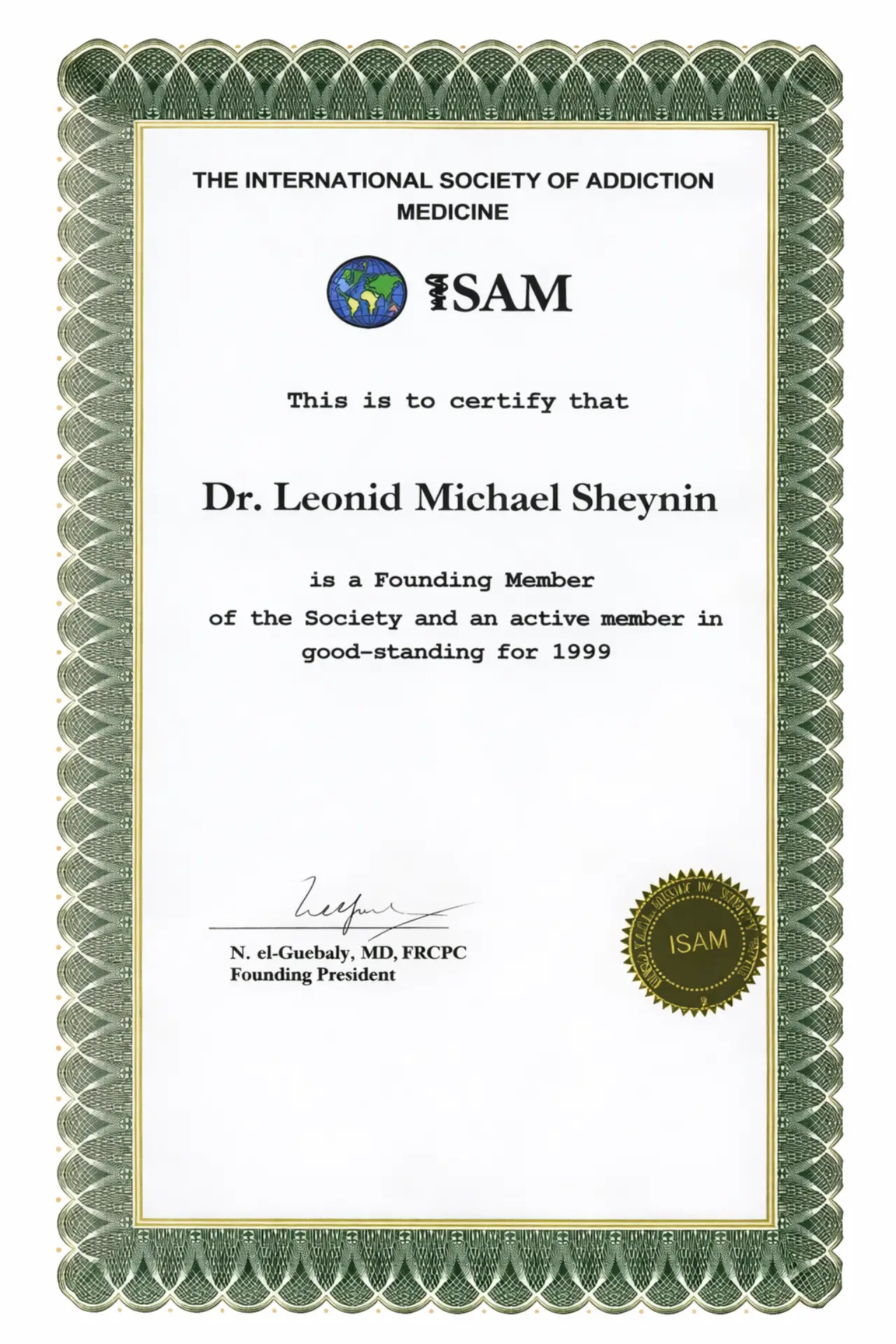
Licenses & Certificates
Addiction is rarely contained to one person. Parents, partners, and siblings end up carrying the fear, the arguments, and the decisions nobody prepared them for. Phoenix runs a weekly group for them.
When: Every Wednesday at 7:00 p.m.
Where: 4B Darbella Street, Rishon LeZion
Phone: 050-6888539 / 052-8437690
When someone refuses treatment, pushing harder usually makes it worse. Families often reach the point where every conversation has become the same conversation. We can help you read what is actually going on, and work out what to say next, and what to stop saying.
You do not have to wait for the next crisis to ask. Call and tell us what is happening at home.
Group therapy, honest education about addiction, and practical support run alongside the clinical treatment. The point is not only to stop using. It is to be able to hold down an ordinary week without it.
Families can call as well, especially when the same crisis keeps repeating and nothing seems to break it. We will tell you what the treatment options are and what the next step actually involves. Support carries on through rehabilitation, as patients take back more responsibility for their own days.

The bridge between full-time treatment and normal life. Residents keep their support while they go back to work, manage their own money and rebuild the routines addiction took apart.

People come to Phoenix from abroad for treatment. We handle the admission process, help families plan the stay, and keep it private.

It starts when a person accepts that this cannot continue and agrees to take part. From there, Phoenix provides the clinical treatment, the daily routine and the professional support to make the change hold.
When someone close to you is using drugs or drinking, the damage does not stop with them. Parents, partners, siblings, and close friends end up living with fear, money trouble, broken trust, and a constant low dread about the phone ringing.
Families spend years trying to work out why. Why they keep doing it when it is so plainly destroying them. When to step in and when to step back. What to say when every conversation ends in the same argument.
Phoenix supports the families as well as the patients. Not to work out whose fault it is, which is never the useful part, but so that people understand what they are dealing with and can make decisions they will not regret later.
A group gives you two things a phone call cannot: a clear picture of how addiction actually works, and a room of people who already know what your week looks like.
What comes up:
Reliable information matters more than most families expect. Addiction runs in cycles of crisis, promise, calm, and crisis again, and without help you end up answering only the latest emergency and never the pattern underneath it.
Professional guidance moves a family out of permanent crisis management and back into making decisions.
Family involvement helps, though not the same way in every case. Some people walk into treatment willingly. Others deny how bad it has become, or refuse outright.
When someone refuses, families ask us what to say. There is no script. What works depends on the person’s condition, on the relationship, on how much danger they are in, and on how many times this has been tried before.
Talk to our team. We will go through the options with you and help you decide what to do next.
The group meets every week, for family members and anyone close to a person with an addiction.
When: Every Wednesday at 7:00 p.m.
Where: 4B Darbella Street, Rishon LeZion
Phone: 050-6888539 / 052-8437690
It is a place to ask questions, hear how other families handled the same situation, and stop carrying it alone.
You do not need to wait for the next crisis. If someone close to you is drinking or using, call and tell us what is happening.
Rehabilitation is not the same as stopping. Most people can stop for a while. The problem is that drinking or using has wound itself into the daily routine, the social life, the way stress gets handled and the way evenings get filled. Take the substance out and all of that is still there.

So treatment opens with an assessment: physical condition, mental health, what has been used and for how long, what has already been tried. Where withdrawal needs medical supervision, that comes first. Everything after it is psychological and practical.
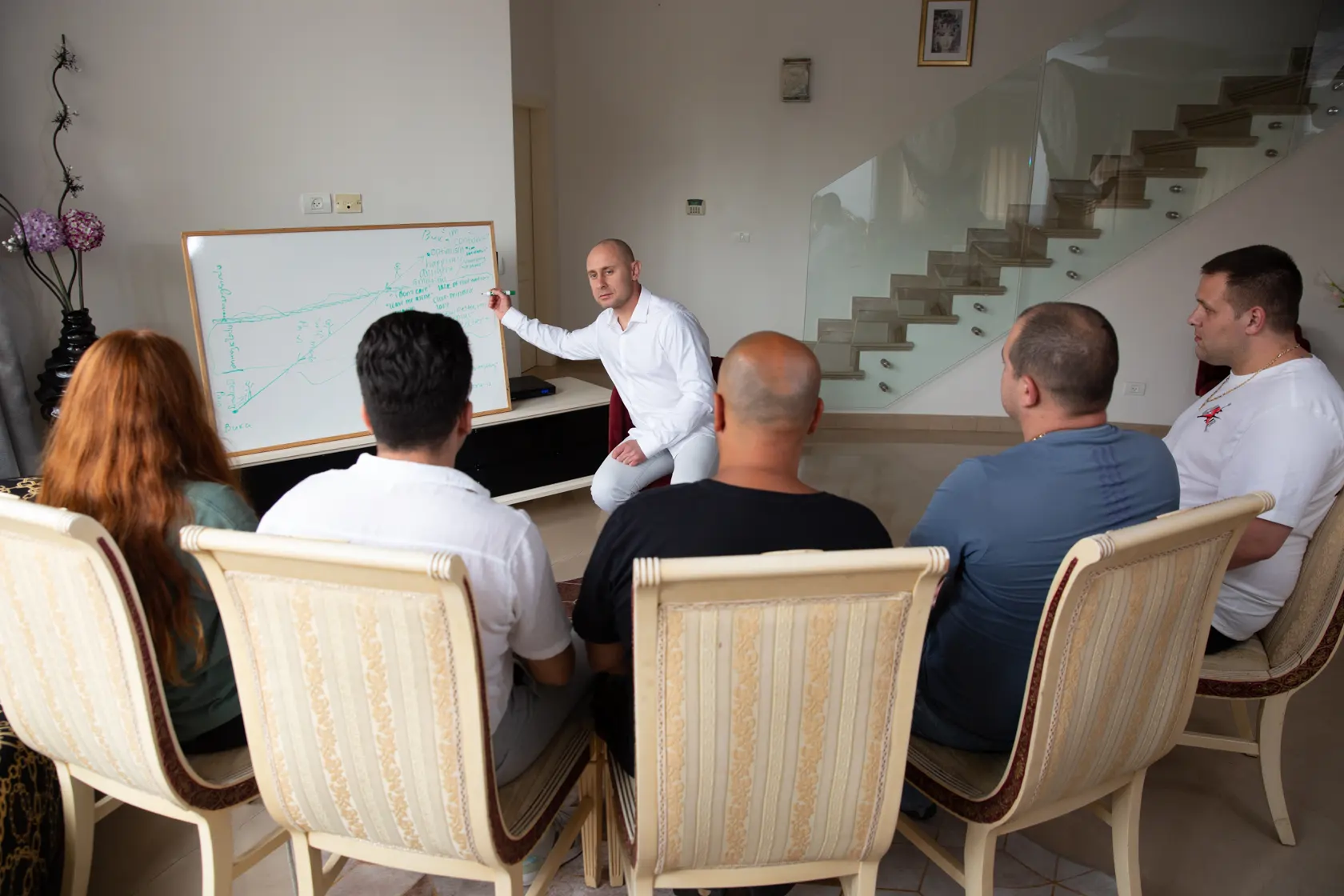
At Phoenix that means individual therapy and group work, medical and psychiatric care where it is needed, straight education about what addiction does, and the ordinary skills that get eroded along the way, such as sleeping properly, handling money and holding a conversation sober.
It takes time, and it takes the patient. Nobody is rehabilitated to. They do the work themselves, with support.
There is no standard plan. Two people using the same substance can need completely different treatment, depending on their health, their history and what is waiting for them at home.
If you are looking into drug or alcohol rehabilitation in Israel, for yourself or for someone else, call and tell us the situation.
Phoenix provides drug and alcohol rehabilitation in Israel for people who need real clinical support to make a change that holds.
Treatment is built on the person’s condition and history. It can involve medical and psychiatric care, individual therapy, group work, guidance for the family, and preparation for the stage after intensive treatment ends, which is usually where recovery is won or lost.
The aim is not only the substance. It is everything that grew around it.
Drug addiction is not solved by a few clean days, or by the detox process on its own. Detox handles the body. It does nothing about the reasons, the habits, the people, and the pressure that put the drugs there in the first place, and that is what drug addiction treatment has to deal with.
At Phoenix, rehabilitation is a process, not an event. The first stage is stabilization and working out what this particular person is facing. After that comes the long part: identifying what triggers use, breaking patterns that have been running for years, keeping motivation alive when it dips, repairing relationships, and knowing what to do when a craving arrives at eleven at night.
The goal is a person who can live without the drug and knows what to do when it gets hard, from when to ask for help to which situations to stay out of, how to fill a day, and who to call. That support has to outlast the intensive stage of treatment.
It also has to include the family, which is why Phoenix works with them alongside the patient. The same holds for alcohol addiction treatment.
If you are looking for a drug rehab center in Israel, start with a conversation. Explain the situation, ask what you need to ask, and find out which options actually fit.
Choosing where to send someone, or where to go yourself, is not a decision to make from a homepage. Look past the language every center uses and ask specific questions. Who is actually treating the patient? What does a normal day look like? How is the psychological side handled, and not only the medical one? What happens when the intensive stage ends? And what is there for the family?
Phoenix treats drug, alcohol, and gambling addiction in Israel. Plans are built per patient and can involve medical and psychiatric care, individual and group therapy, family guidance, and a staged handover to independent living.
If you are considering rehabilitation in Israel, call before you decide. Tell us the situation, ask the hard questions, and get a straight answer about what treatment here would involve.
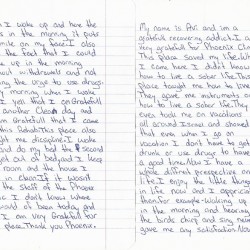
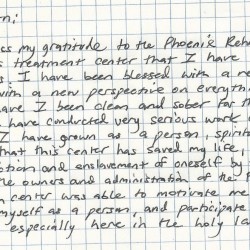
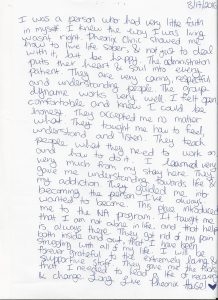
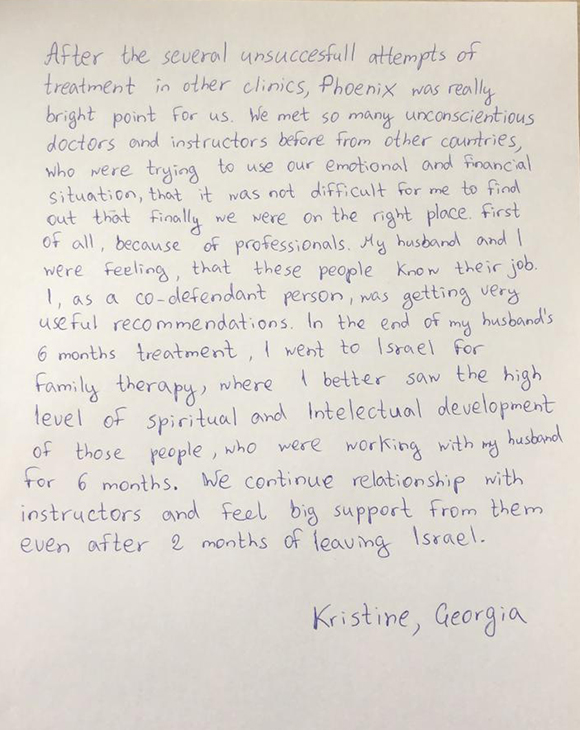
“Three years ago I sent my 17-year-old son to Israel (thank you, Marina!). The whole family was in agony because my boy was dying of drugs. They are an incredible and dedicated team that saved my child, who showed him how to be happy and successful without drugs. Long-term rehabilitation, WITHOUT any pills at all (except for detox), smart and kind doctors, therapists, psychologists, instructors – they were with my son from day one to the end. Special thank you to Marina. She is working with parents, explaining and showing what we have to do in order to help our kids. From the bottom of my heart God bless you and THANK YOU everyone at Phoenix!”